Interview
Berlin
The In Between – In Conversation With Maxi Hachem
Issue 01: Community & Network
25€
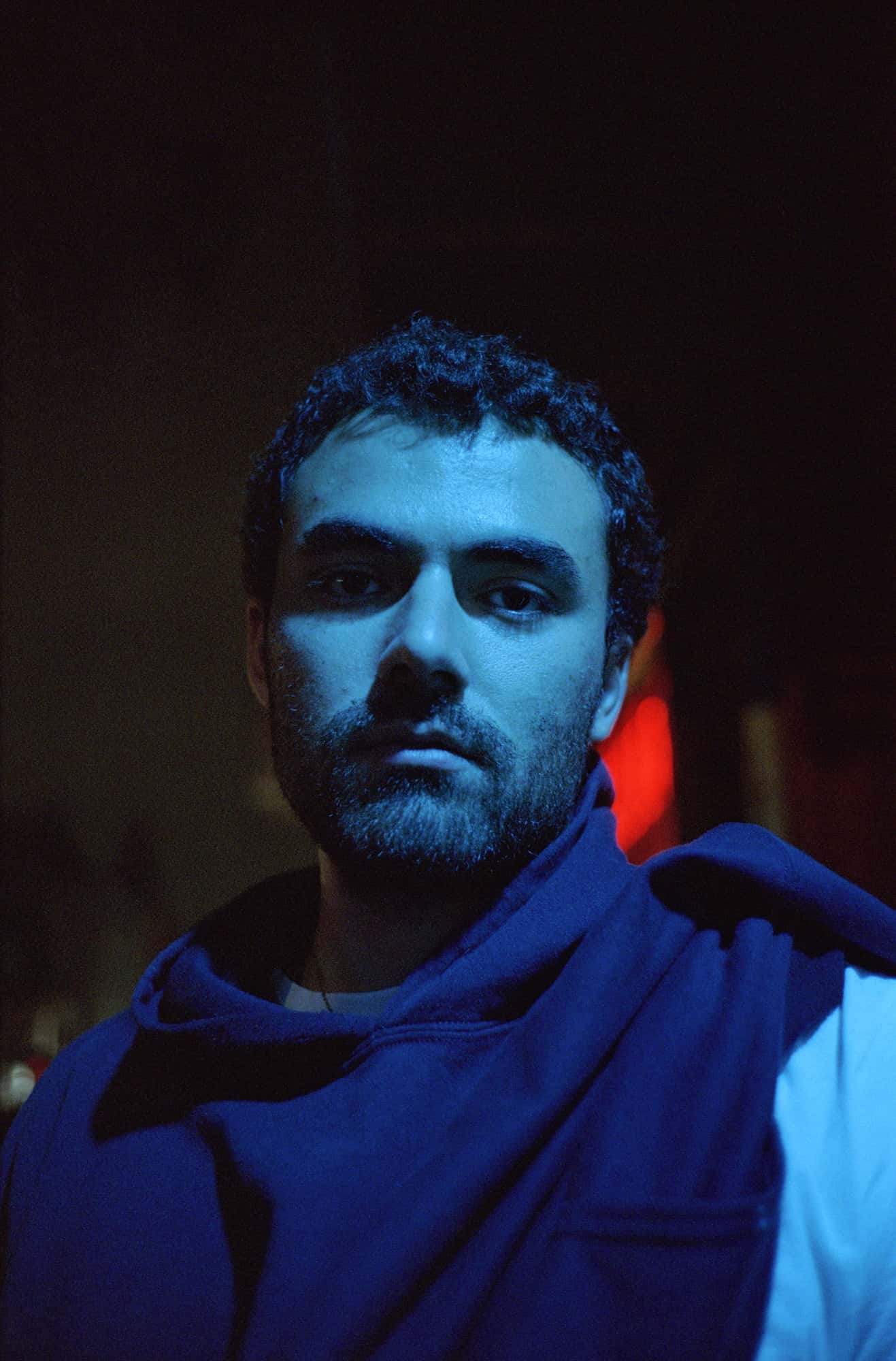
As a filmmaker, Maxi Hachem reflects on heritage, patriarchy and identity, capturing documentary footage that, at times, feels surreal. The complex relationships and characters depicted in his work are the product of reflection, experience and empathy, as well as a genuine curiosity that can’t be quelled. An observer, Maxi has gathered an understanding of the complexity of familial relationships over the years, resulting in the ability to create art that doesn’t exploit, but expresses. It’s sensitive, raw, and doesn’t shy away from the inevitable discomfort. I spoke to him about the ethics of filming family conflicts, the vulnerability of sharing your work, and when the lines between community and network become blurred.
Mia Butter: Okay, so warming up into the topic of ‘Network’ here, how would you explain the difference between network and community from the perspective of your practice and personal experience?
Maxi Hachem: I think the general difference is that one is very transactional, that would be the network, whereas community is kind of all-encompassing. It can be something very personal and completely separate from work and my artistic practice, or any type of work, and revolves around whatever you want it to be. From political organisation to hobbies. But then again, community can also function in a way that is about work. I definitely have conflicting feelings about this topic as well. I think I do have a lot of really close relationships that come from friendships that are much older than my artistic practice, but they've now evolved into becoming collaborators or colleagues, and (they’re) still friends, of course, but there is a part of me that struggles with making time and coming together with these people and then not making work together or not thinking about work and just being together and not leveraging it in any way. I think it's really important to have these relationships and then have them be a part of your work and private life, as separate relationships.
MB: Well, a lot of your work is also quite personal, and a lot of the people you've worked with are also friends of yours and so separating business and pleasure is not always an option. You just have to find a way to navigate that.
MH: Yeah, and also I love to work. It's such a privilege to be able to work with your friends/family and (create works) about your friends. Lots of people dream of doing that. I think it’s so gratifying, but that's kind of what I'm trying to touch on: there are two sides to that, where your friendship can then fall secondary to work, and then it suffers.
I think it’s also good to have that ‘network’ side to it that is almost only transactional where of course, you know, I don't want to work with people that I don't like, but I think it's great to have a certain…
Read the full article in print
